EV Charging With Rooftop Solar: Matching Generation to Demand
EV Charging With Rooftop Solar: Matching Generation to Demand is best approached as a set of practical decisions rather than a single advertised price or ranking. The important question is whether the proposed product, service or contract fits a real property, vehicle or household need. The sections below explain what to inspect, what to compare in writing and what can go wrong.
Start with the actual condition and need
An EV can consume surplus solar electricity directly when it is parked during generating hours. Charging after sunset creates a different financial picture.
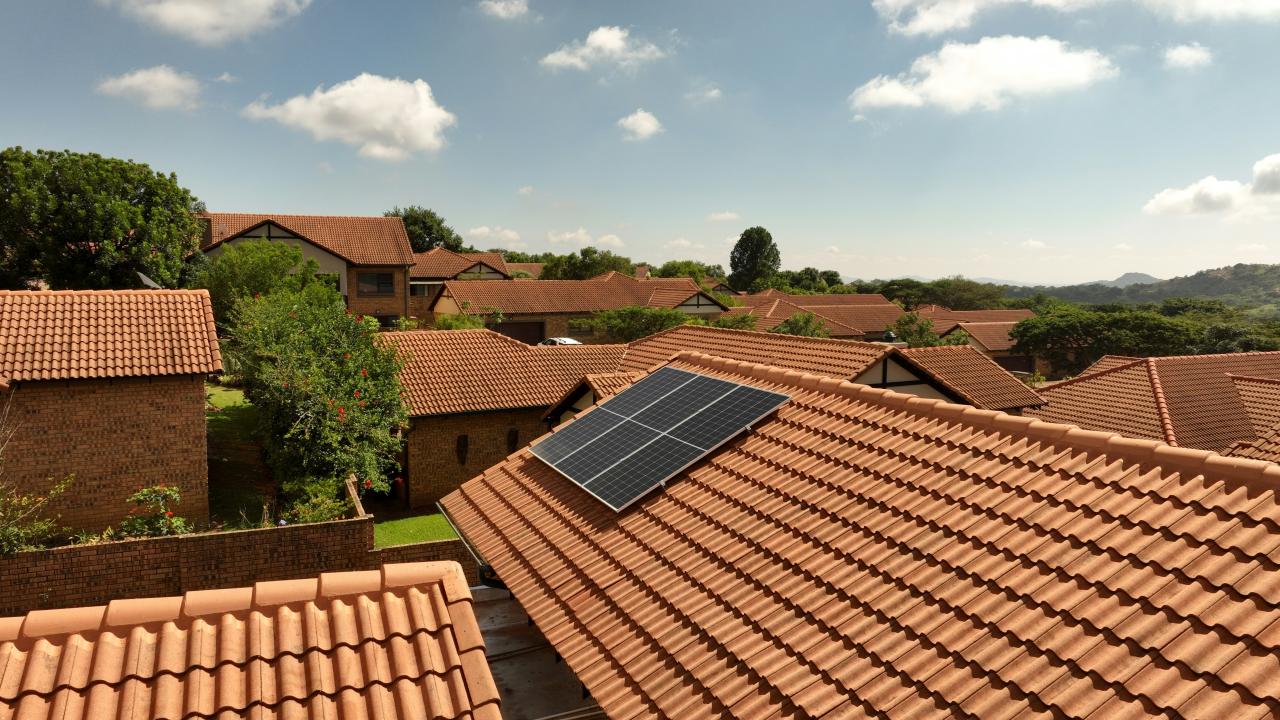
What should a complete proposal include?
Ask whether charger power can be controlled from measured solar export, and confirm connector, circuit and vehicle compatibility.
Solar decisions require production estimates that reflect shade, orientation and seasonal usage. The utility tariff determines the value of self-consumed and exported power, while financing changes the real cost. Ask for performance assumptions in a form you can audit.
Risks, exclusions and mistakes to avoid
Solar panels do not remove the need for proper EV charger electrical protection. Account for charging losses and export credits.
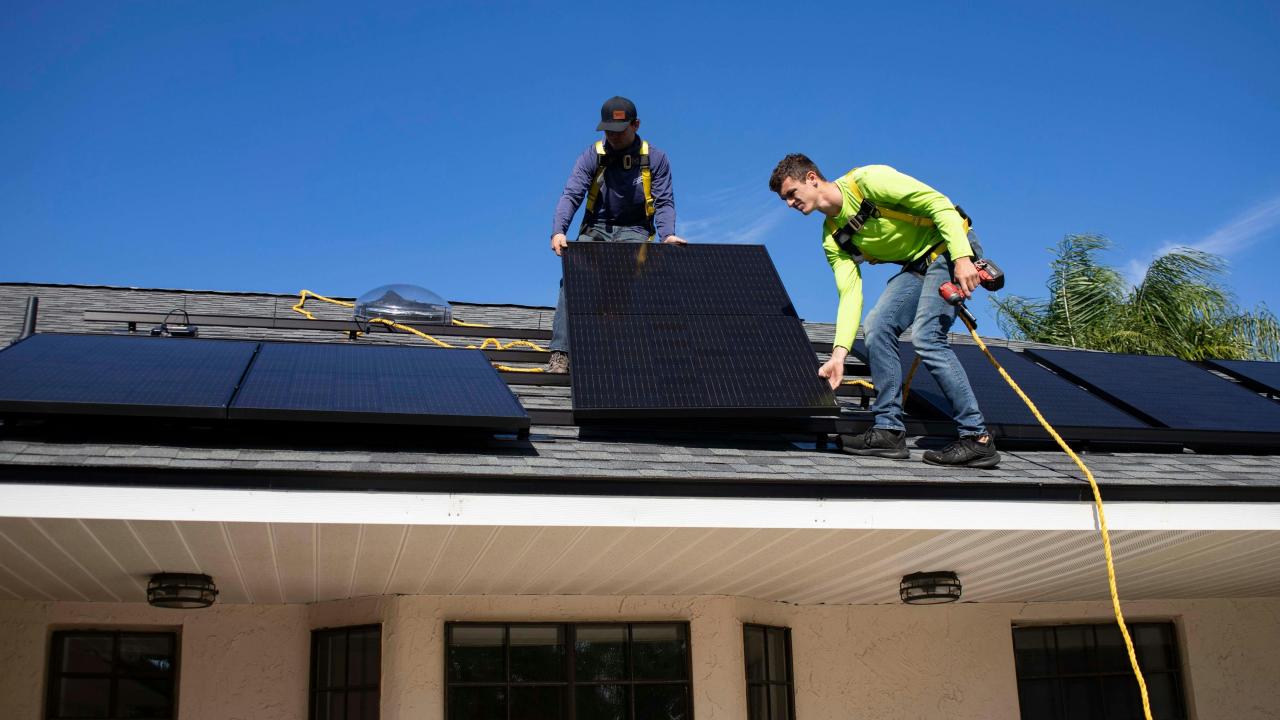
A side-by-side decision framework
Two proposals are comparable only when they describe the same scope and the same conditions. Use the following worksheet to identify omissions before choosing a provider or signing an agreement. It is intentionally qualitative: an unsupported average price would conceal more than it explains.
| Decision point | What to check |
|---|---|
| Main purpose | Clarify what problem ev charging with rooftop solar is intended to solve and which alternatives would also address it. |
| Upfront scope | Write down the core products, professional work, inspection and documentation relevant to matching generation to demand. |
| Ongoing obligations | Identify regular maintenance, monitoring, renewals, insurance or contract obligations before committing. |
| Evidence | Keep comparable written specifications, assessment results and records from suitably qualified parties. |
| Contingency | Ask what happens if the initial assessment is wrong, hidden defects appear, or the contract must be changed. |
Questions to ask before deciding
- Which specific property, product, model or contract is being assessed, and what information is missing?
- Can the provider explain the main technical or contractual assumptions in writing?
- Which work, fees, exclusions, inspections or accessories are not included?
- Who is responsible if an unexpected condition is discovered after the project begins?
- What evidence would show that the completed work or contract has achieved its intended purpose?
How location changes the answer
Solar permissions, grid-export payments, tax incentives and installation qualifications differ by utility and country. Verify current rules with the network operator and relevant government authority. Readers in the United States, United Kingdom, Canada, Australia, Germany and the Netherlands should confirm the legal requirements, units of measurement and current prices in their own market. Currency conversion alone does not make two quotations comparable.
Frequently asked questions
Can I choose ev charging with rooftop solar on price alone?
No. Compare the full documented scope, suitability, exclusions, ongoing obligations and likely repair or service support. The lowest upfront figure can omit important elements.
Will this decision have the same outcome in every country?
No. Product standards, labour rates, legal requirements, availability and local conditions can change the appropriate choice. Confirm the rules for the exact location rather than relying on a foreign quote.
What evidence should I keep about ev charging with rooftop solar?
Keep written specifications or policy documents, dated quotes, inspection findings, invoices, any consent or approval documents, and communications about exceptions. These records are useful for maintenance, future disputes or eventual resale.
Further reading and verification
Official starting points: U.S. Department of Energy: Homeowner’s Guide to Solar; U.S. Department of Energy: Solar Financing. These resources provide general context; consult the relevant local authority, insurer, lender or licensed provider for a specific decision.
Editorial note: This article offers general consumer guidance rather than a verified price quote, engineering design, insurance decision or personal financial recommendation. This article should be reviewed for local accuracy and current availability before publication.